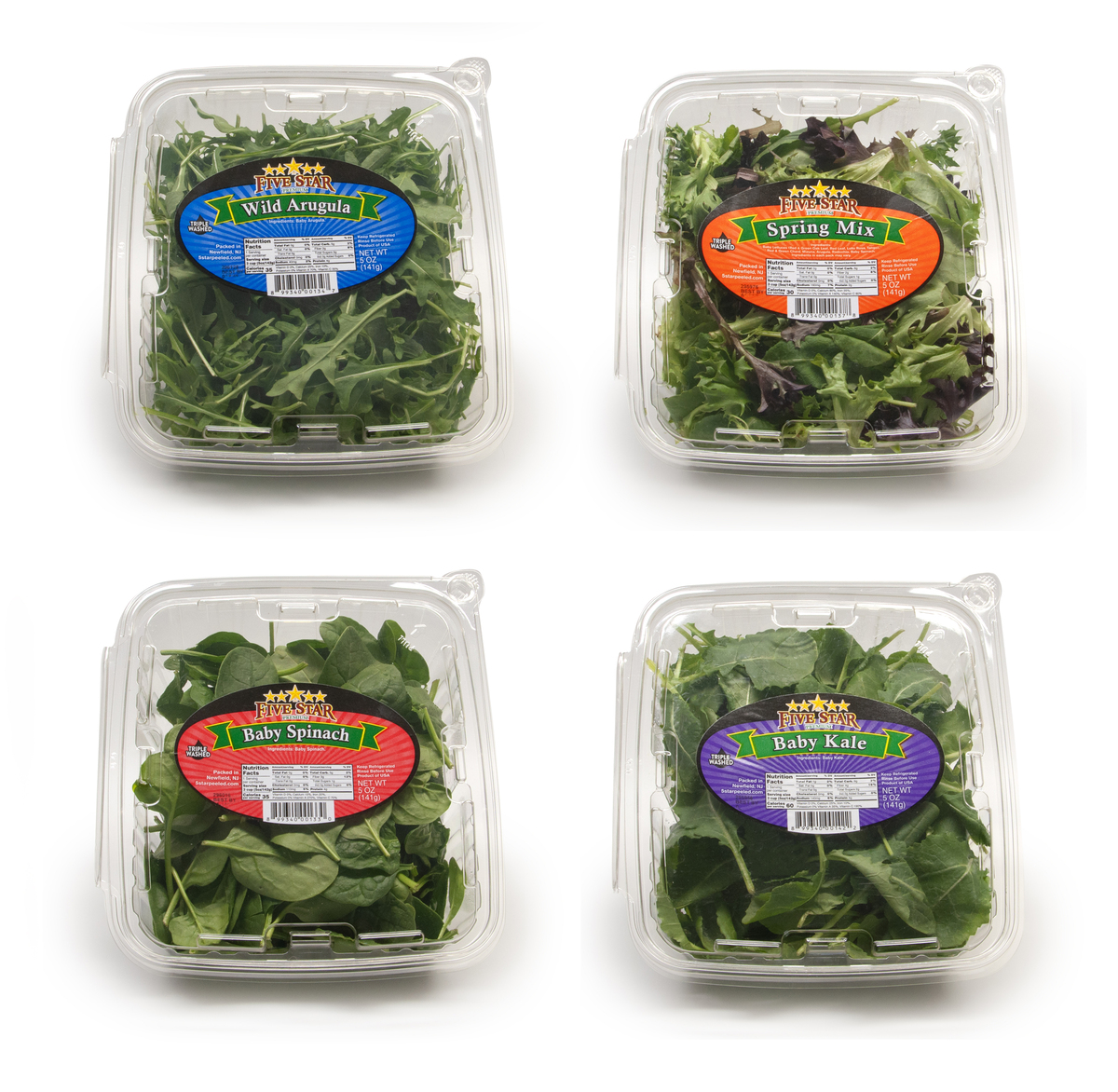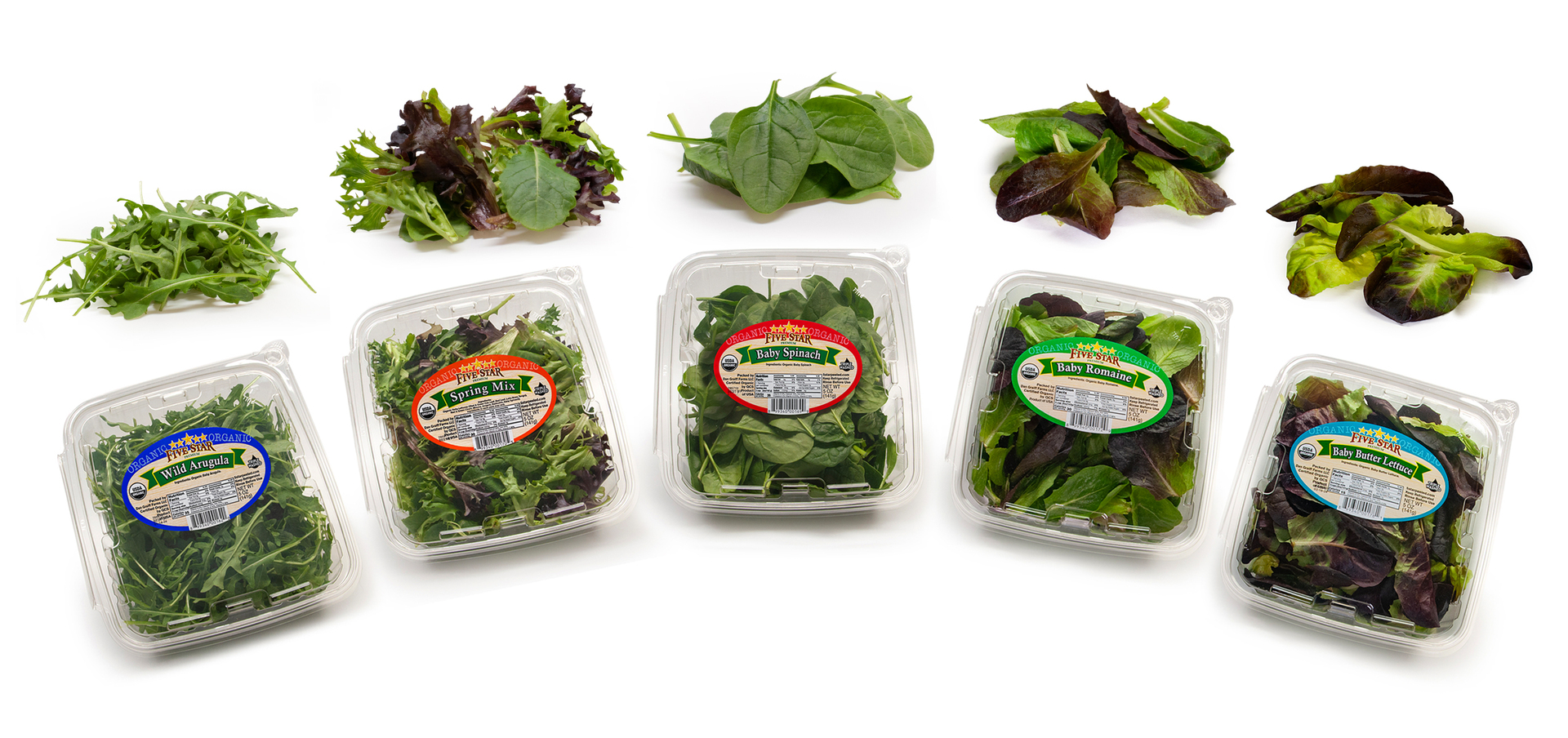
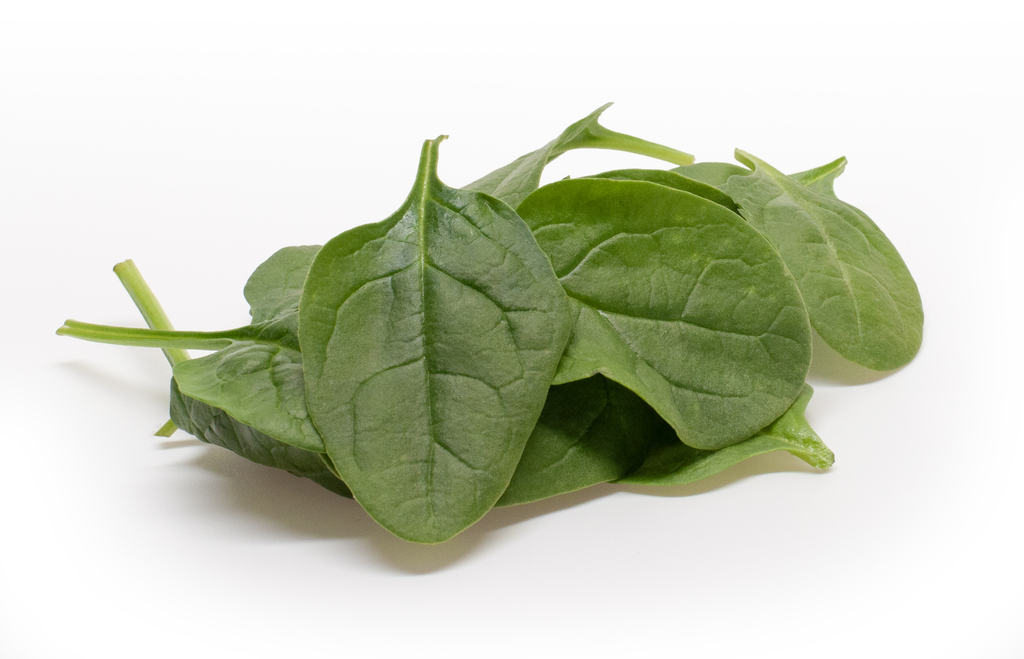
Baby spinach has a mild, subtly sweet flavor with a crisp, delicate texture. Unlike mature spinach, which can be bitter or distinctly earthy, these younger leaves taste neutral enough to blend easily into raw salads or fruit smoothies without overpowering other ingredients.
Sautéing baby spinach concentrates its sugars and deepens its earthy flavor. The leaves wilt quickly, losing their crispness and becoming tender and silky. Heating breaks down the cell walls, reducing the raw, grass-like taste and creating a richer, slightly savory profile.
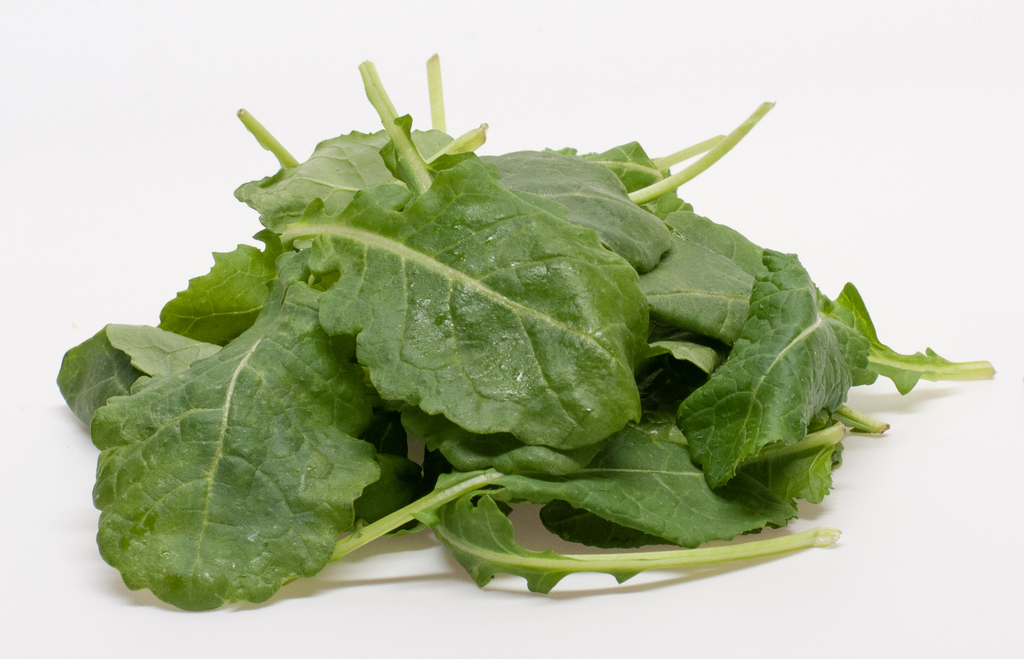
Baby Kale is the Lacinato or "dinosaur" variety, also known as Cavolo Nero or Black Tuscan Kale. Baby kale features a much milder, sweeter flavor than mature kale, offering an earthy taste with a slightly peppery kick, similar to arugula. Because it is harvested young, its leaves are tender and succulent, lacking the tough, fibrous bitterness often found in full-grown varieties.
Whether you're making a quick stovetop sauté or incorporating it into a warm dish, baby kale provides a nutritional powerhouse with minimal prep time.
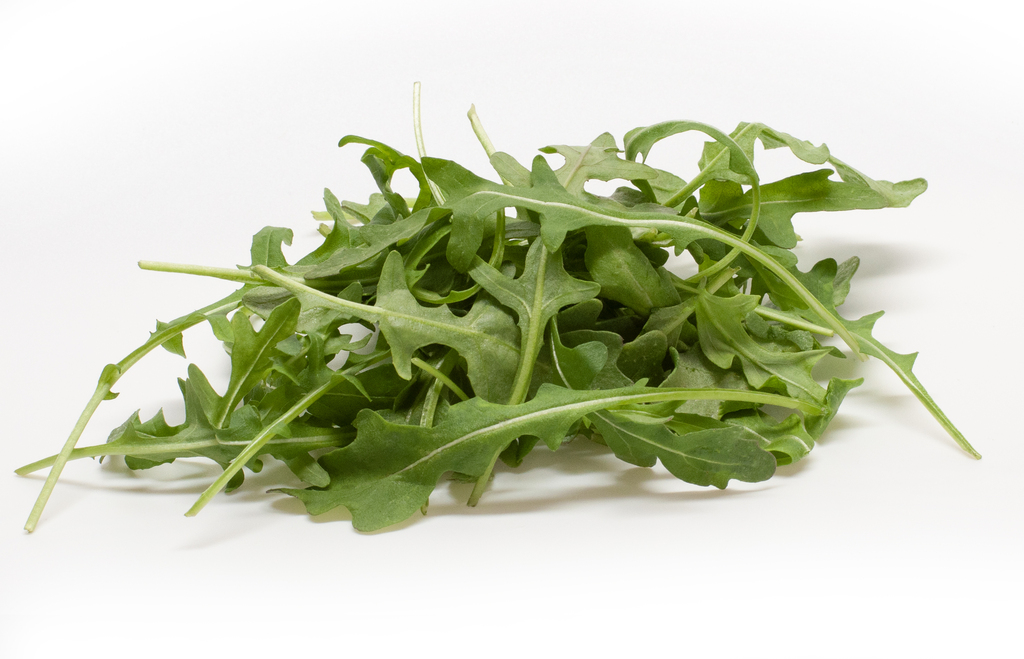
Wild arugula delivers a bold, punchy flavor characterized by a sharp peppery bite and a tangy, mustard-like complexity. Far more intense than standard baby arugula, its deeply serrated leaves offer a rich, nutty finish balanced by a pleasant, earthy bitterness.
Wild arugula features deeply lobed, spidery leaves with an intense, pungent flavor that is significantly spicier than standard varieties. Because high heat can easily overwhelm its delicate, peppery bite, it is best eaten raw or added at the very end of cooking. Toss it into warm pasta just before serving, scatter it over a freshly baked pizza, or wilt it gently into a pan sauce to add a vibrant, zesty finish to your meal.
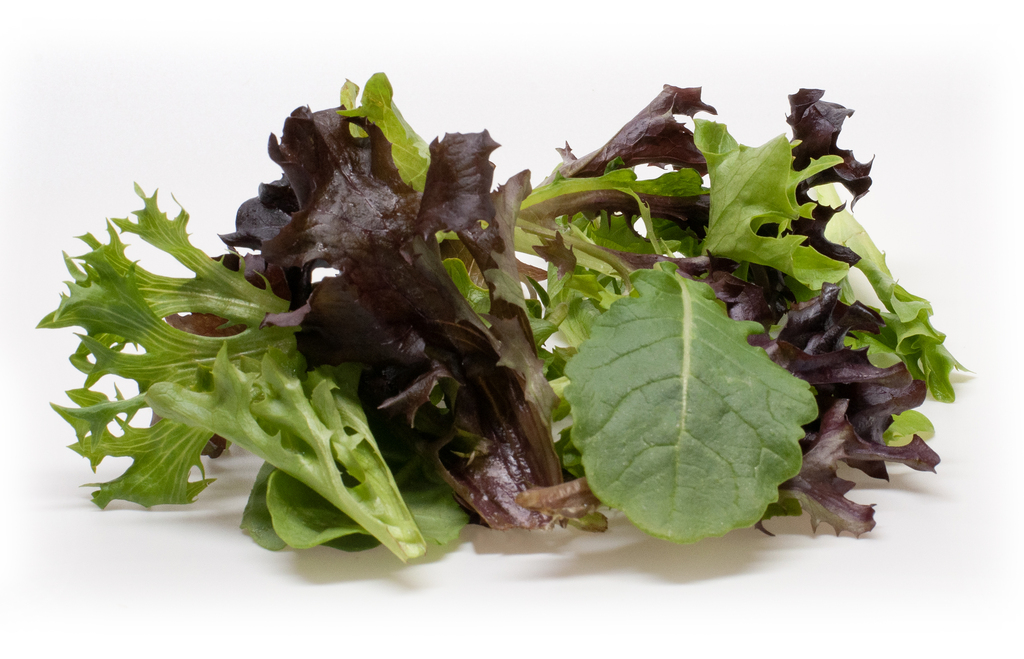
Spring mix features a complex, balanced flavor profile that blends sweet, slightly bitter, and subtly peppery notes. Because it contains a variety of tender baby greens like arugula, spinach, and red romaine, each bite offers a dynamic taste. The delicate leaves are remarkably fresh and earthy, pairing perfectly with light vinaigrettes
While often served raw, spring mix is a surprisingly versatile base for cooking. Because the tender baby leaves wilt rapidly, you can quickly sauté them in olive oil with garlic, steam them, or fold them into hot pasta and scrambled eggs at the very end of cooking for a vibrant, effortless nutrient boost.
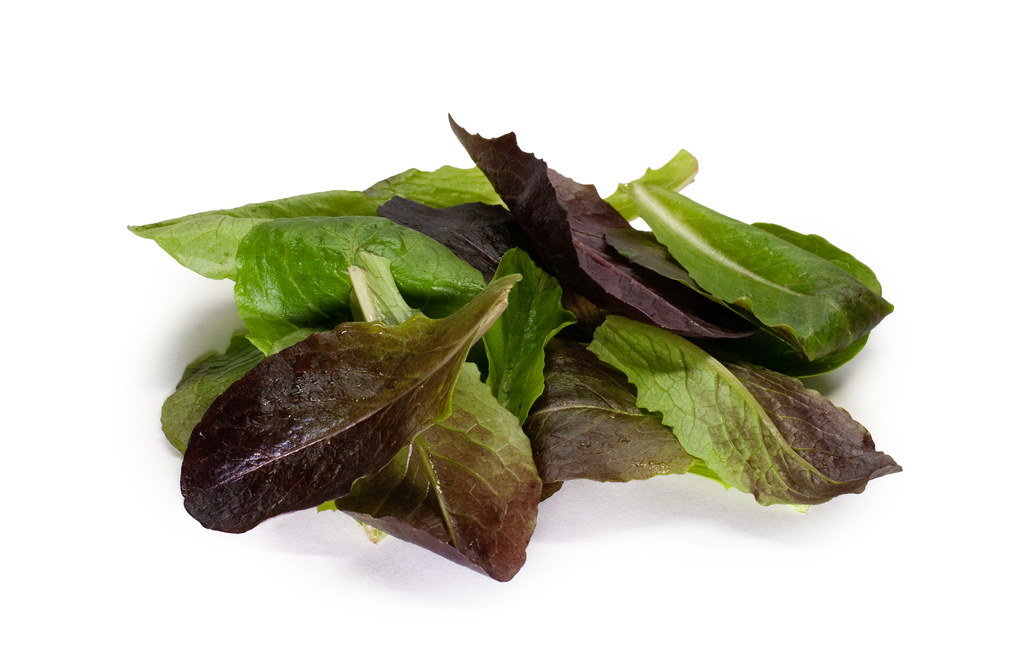
Baby Romaine Lettuce offers a uniquely mild, subtly sweet flavor profile paired with an ultra-tender yet crisp bite. Unlike mature romaine, which can develop a slightly bitter edge, the immature leaves are harvested early, ensuring a refreshing, buttery, and clean taste that acts as a perfect foundation for dressings and ingredients.
Cooking baby romaine mellows its slight bitterness while giving it a delightfully tender bite and a sweet, smoky flavor. The best way to achieve this is either through a high-heat sear or a quick simmer.
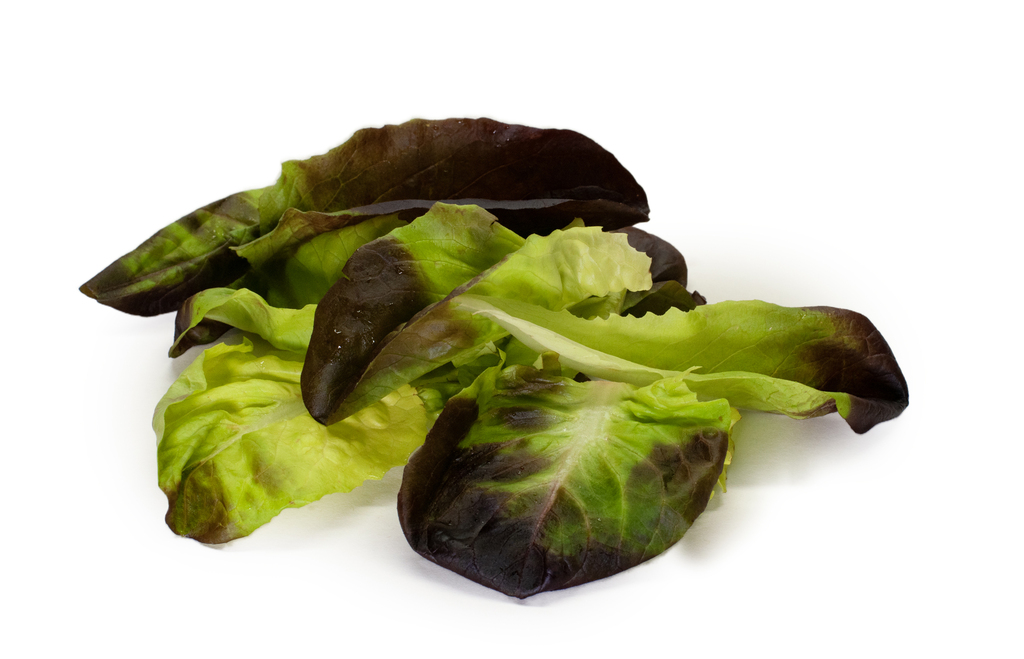
Baby Butter Lettuce features a delicate, melt-in-your-mouth texture with a mild, subtly sweet, and refreshingly mellow flavor. Unlike the bitterness often found in darker, mature greens, its tender, cupped leaves are completely free of harsh notes, offering a smooth, buttery easting experience.
Gently wash baby butter lettuce in cold water and spin it completely dry, as these delicate, velvety leaves bruise easily. Leave the smallest leaves whole and tear any larger ones, then toss them simply with a light vinaigrette, flaky sea salt, and fresh pepper just before serving.